
About Osho (Acharya Rajneesh)
Teachings, Philosophy & Modern Relevance
If you are looking for reliable information about Osho, also known as Acharya Rajneesh,
this comprehensive guide explains his life, philosophy, meditation methods,
and global influence in a clear and structured way.
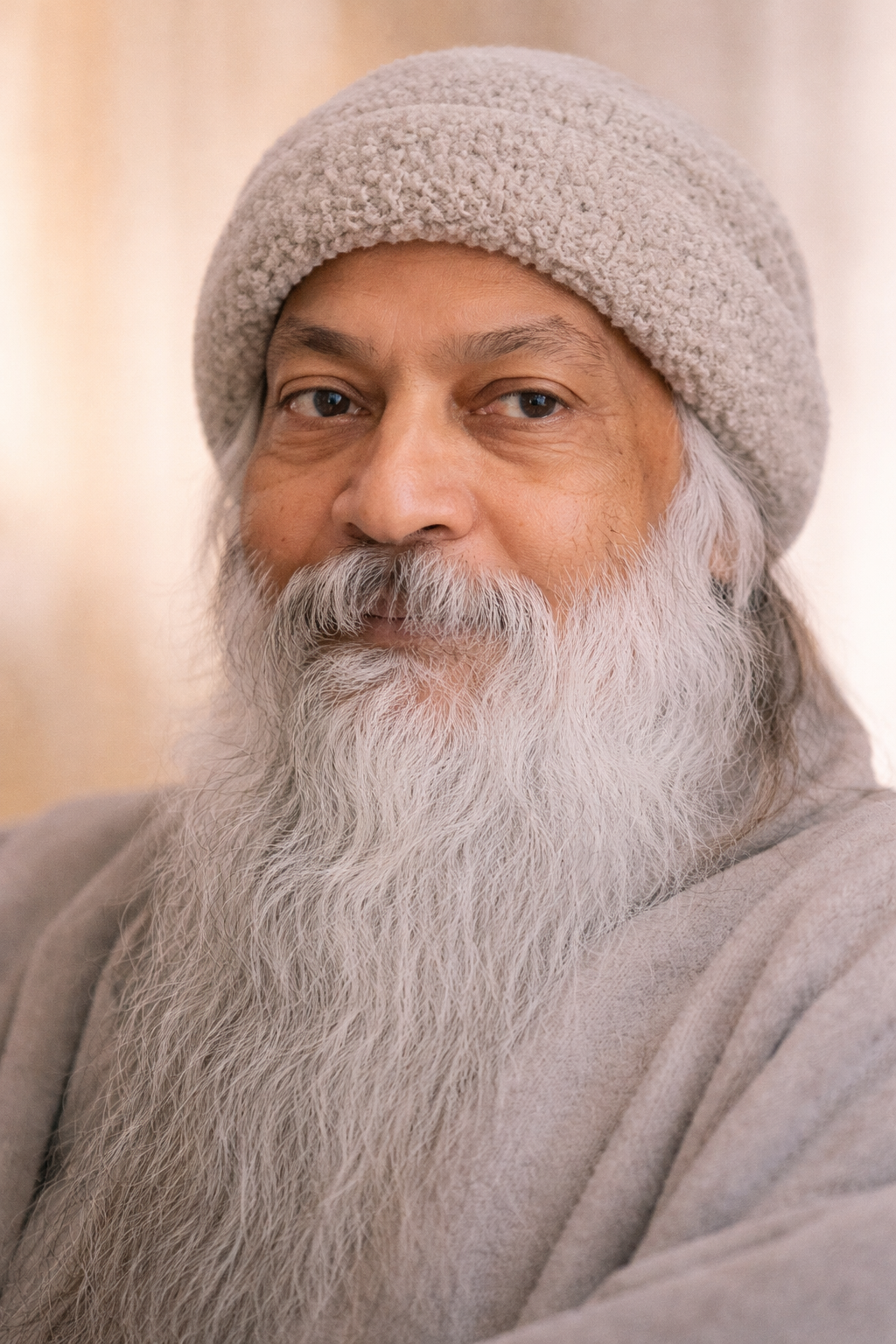
About Osho: Who Was Acharya Rajneesh?
If you are searching for detailed information about Osho, this guide explains
his life, philosophy, and teachings in a clear and structured way. Osho,
also known as Acharya Rajneesh, was a twentieth-century spiritual teacher
whose ideas on awareness and meditation influenced millions worldwide.
From an early age, he questioned social conditioning and traditional
religious authority. As a result, his philosophy evolved around direct
personal experience rather than blind belief. Over time, his lectures
attracted international attention and created global discussion.
For a broader historical perspective, you may also read the public
biography available on
Wikipedia’s page on Rajneesh.
However, this article focuses specifically on understanding his teachings
and philosophical contributions.
Osho Teachings on Awareness and Conscious Living
At the core of his message lies awareness. According to his teachings,
unconscious living leads to suffering. In contrast, conscious observation
creates clarity and transformation. Therefore, meditation becomes a
practical method for witnessing thoughts without repression.
Moreover, awareness allows individuals to understand emotional patterns.
Instead of reacting automatically, a person learns to respond consciously.
Consequently, inner growth becomes a natural process rather than forced discipline.
Osho Philosophy on Love, Attachment, and Freedom
Another essential part of understanding about Osho involves his view
on love and attachment. He explained that attachment grows from insecurity.
Authentic love, on the other hand, emerges from inner completeness.
Where attachment seeks control, love gives freedom. Similarly,
while attachment fears loss, love celebrates presence. Because of this
distinction, his ideas remain relevant in modern relationships.
About Osho and His Meditation Methods
Unlike traditional silent practices, he introduced dynamic meditation
techniques suited for contemporary lifestyles. Since modern life creates
mental restlessness, active movement helps release suppressed energy first.
Afterward, stillness becomes easier and more natural.
In this context, meditation is not an escape from reality. Instead,
it represents awareness in daily action. Through consistent practice,
individuals gradually dissolve unconscious behavior patterns.
Controversy and Public Discussion
Throughout his life, he faced significant controversy. Because he
challenged institutional structures and conventional morality, criticism
followed. Nevertheless, separating philosophical ideas from public
perception allows a more balanced evaluation.
Modern Relevance of Osho’s Philosophy
Today, distraction and stress dominate daily routines. Consequently,
teachings centered on awareness feel increasingly practical. Furthermore,
individuals exploring personal development often find meditation-based
approaches helpful for emotional clarity.
His influence continues in psychology, relationship studies,
and conscious living movements worldwide.
Conclusion: Understanding About Osho Today
Ultimately, learning about Osho involves thoughtful examination rather
than superficial judgment. While opinions may differ, his teachings on
awareness, meditation, and freedom remain widely discussed. Therefore,
those interested in conscious growth often explore his philosophy in depth.
Frequently Asked Questions About Osho
Who was Acharya Rajneesh?
Acharya Rajneesh, later known as Osho, was an Indian spiritual teacher
recognized for his teachings on awareness, meditation, love, and conscious living.
Why did Acharya Rajneesh change his name to Osho?
He later adopted the name Osho to reflect oceanic awareness and expansion.
Both names refer to the same spiritual teacher.
What are Osho’s main teachings?
His teachings focus on awareness, meditation, emotional freedom,
and the difference between love and attachment.
Why is Osho considered controversial?
Osho challenged traditional religious institutions and social norms.
Consequently, his ideas attracted both admiration and criticism.