
Introduction
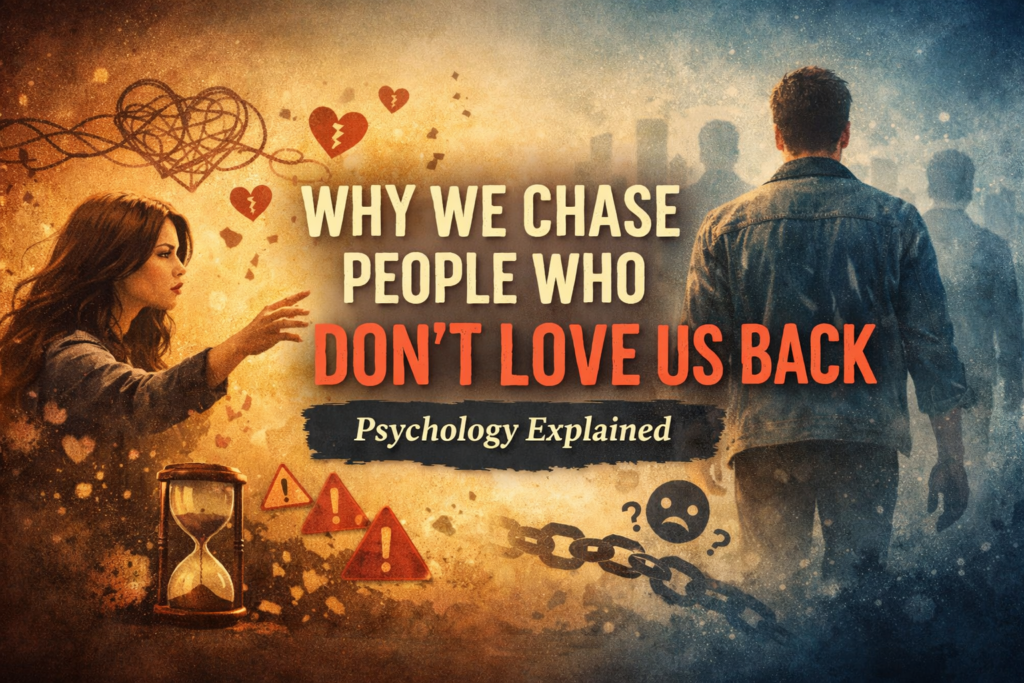
Many people wonder why we chase people who don’t love us. Even when logic tells us that a relationship is unhealthy, emotions can still pull us toward someone who does not return the same affection. Understanding why we chase people who don’t love us can reveal important insights about emotional attachment, validation, and the psychology of relationships.
This raises an important question: why do we chase people who don’t love us back?
The answer often lies in emotional conditioning, psychological attachment patterns, and the way the human mind responds to uncertainty. Understanding these dynamics can help break this cycle and build healthier relationships.
Why We Chase People Who Don’t Love Us: The Psychology Behind It
Humans naturally desire connection and belonging. However, when affection becomes uncertain, the mind sometimes becomes even more focused on obtaining it.
Psychologists often describe this pattern as intermittent reinforcement. When affection is inconsistent, the brain becomes more attached because it constantly anticipates the next moment of validation.
As a result, the relationship begins to feel emotionally intense even when it lacks stability.
According to psychological research on attachment theory, emotional dependency often develops from fear of abandonment and inconsistent affection.
Emotional Attachment vs Genuine Love
Sometimes what feels like love is actually emotional dependency.
True love involves mutual care, respect, and emotional safety. In contrast, emotional attachment may develop when someone becomes the center of validation or self-worth.
If a person’s sense of happiness depends heavily on another person’s approval, the relationship may be driven by attachment rather than love.
You can explore the difference further in our guide on emotional attachment vs love.

The Role of Ego in Attraction
Another factor involves the ego.
Rejection often triggers the desire to prove worth. Instead of moving forward, some people become more determined to gain approval from the person who rejected them.
This dynamic turns attraction into a psychological challenge rather than a genuine connection.
Our article on ego in relationships explains how identity attachment influences romantic conflicts.
Why Uncertainty Feels So Powerful
When affection is guaranteed, the mind relaxes. However, uncertainty activates curiosity and emotional tension.
This uncertainty keeps attention focused on the relationship. People may constantly analyze conversations, messages, or small signals from the other person.
As discussed in our article on overthinking, uncertainty often fuels repetitive mental loops.
Signs You Are Chasing Someone Who Doesn’t Love You
Some common signs include:
- The relationship feels one-sided
- Communication is inconsistent
- You constantly seek reassurance
- The other person avoids emotional commitment
- You feel anxious about losing them
Recognizing these patterns helps people step back and evaluate the relationship objectively.
How to Stop Chasing Someone Who Doesn’t Love You
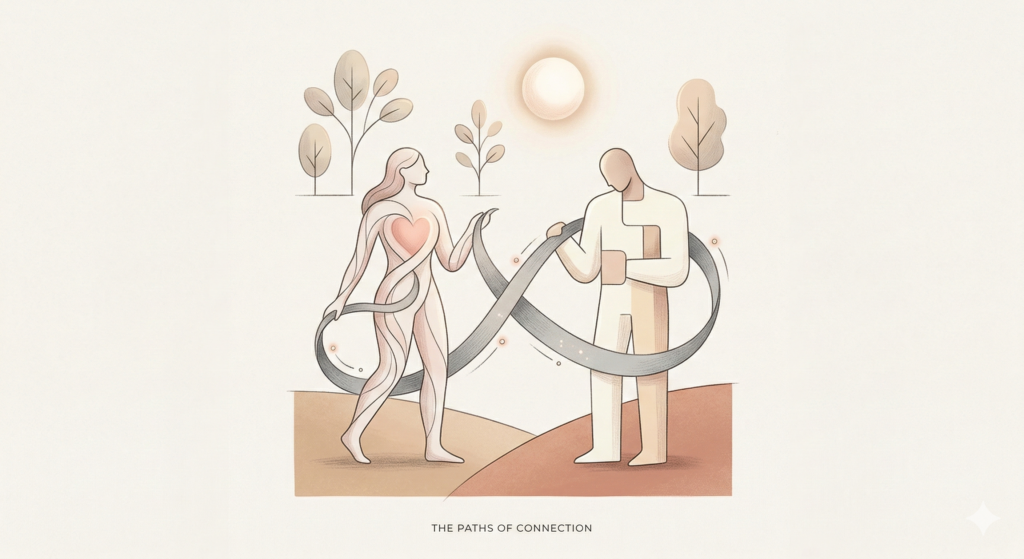
Breaking this pattern requires awareness and emotional boundaries.
First, recognize the difference between connection and obsession. Attraction should not require constant emotional struggle.
Second, focus on relationships where care flows both ways. Mutual effort creates emotional stability.
Finally, strengthen self-worth independently from romantic validation. When people feel secure internally, they are less likely to chase unavailable partners.
Can Attraction Change Over Time?
Sometimes emotional attraction fades when clarity appears. When individuals understand the psychological pattern behind their feelings, they may see the relationship differently.
However, healthy love requires reciprocity. Without mutual interest and emotional presence, long-term satisfaction becomes unlikely.
Frequently Asked Questions
Uncertainty and rejection can trigger emotional attachment because the mind seeks validation.
Not always. It can often reflect emotional dependency or the desire for approval.
Building self-awareness and focusing on mutual relationships helps break this pattern.
Conclusion
Chasing someone who does not love you back can feel confusing and emotionally exhausting. However, understanding the psychological dynamics behind this pattern provides clarity.
Relationships thrive when affection, respect, and emotional effort are shared equally. By recognizing attachment patterns and strengthening self-awareness, individuals can move toward healthier and more fulfilling connections.
